Vertigo — Causes, Symptoms and When to See a Doctor
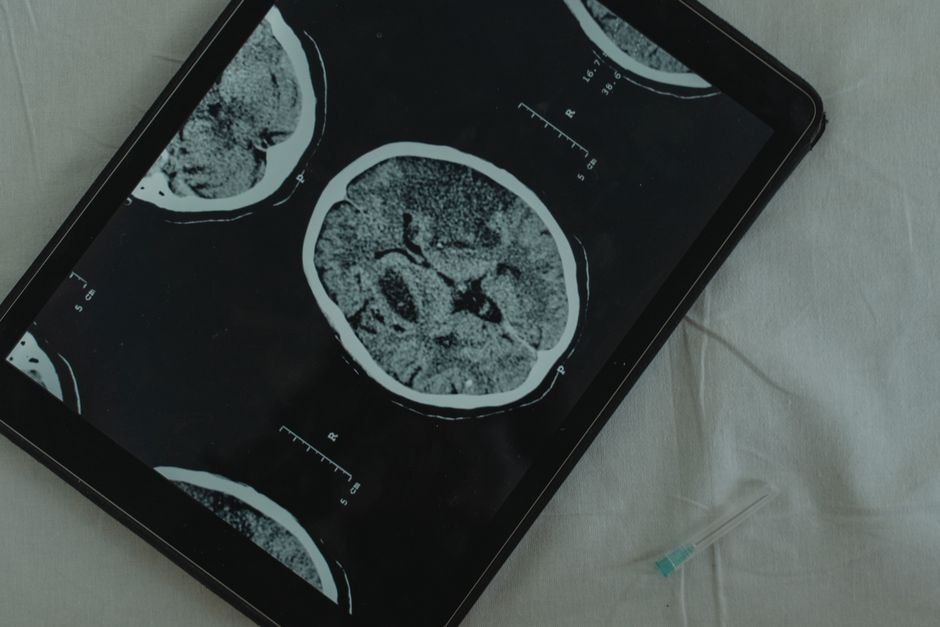 medium urgency
 Vertigo is the sensation that you or your surroundings are spinning or moving when there is no actual movement.
What causes Vertigo?
Vertigo can have many different causes ranging from minor to serious. The most common causes include The most common causes of Vertigo include BPPV inner ear infection Menieres disease head injury certain medications. In most cases Vertigo has a benign and treatable cause, but the range of potential underlying conditions means that persistent or severe vertigo always warrants proper medical assessment to identify the specific cause.. Vertigo affecting the head can have both local and systemic causes. A thorough medical assessment considers not just the vertigo itself but associated symptoms timing triggers and your personal medical history to identify the most likely underlying cause and appropriate management approach.
Identifying the specific cause of Vertigo requires consideration of your other symptoms, medical history, medications, and a physical examination. This page provides general guidance but cannot replace a proper medical assessment.
Is Vertigo serious?
Whether Vertigo is serious depends entirely on the underlying cause. In most cases Vertigo is caused by minor self-limiting conditions that resolve on their own. However certain accompanying symptoms should prompt prompt medical evaluation.
Vertigo is more likely to be serious if it is severe, sudden, progressive, or accompanied by other concerning symptoms. Age also matters — the same symptom can carry different implications in a young healthy adult compared to an older person or someone with existing health conditions.
⚠️ When to seek urgent medical help for Vertigo
Seek immediate medical attention if Vertigo is accompanied by: Seek medical attention promptly if vertigo occurs with any of the following: vertigo with sudden hearing loss headache double vision weakness or after head trauma. Vertigo is a symptom worth discussing with your doctor if persistent. When in doubt about whether your symptoms are serious, it is always safer to seek assessment than to wait — many serious conditions are far more easily treated when identified early..
If in doubt always seek medical advice. It is always better to have a symptom assessed and found to be benign than to delay seeking help for something serious.
What does Vertigo mean?
Vertigo is your body signalling that something is happening that warrants attention. It could mean something as simple as muscle tension or dehydration, or it could indicate an underlying medical condition that needs treatment. The meaning of Vertigo depends on its pattern, severity, duration, and accompanying symptoms.
Vertigo affecting the head can have both local and systemic causes. A thorough medical assessment considers not just the vertigo itself but associated symptoms timing triggers and your personal medical history to identify the most likely underlying cause and appropriate management approach.
How long does Vertigo last?
Seconds to minutes episodes may recur. If your vertigo lasts significantly longer than expected for the likely cause, or if it improves and then worsens again, this is a reason to seek medical assessment rather than continuing to manage it at home. Tracking the duration and pattern of your vertigo helps your doctor narrow down the cause.. The duration of Vertigo varies significantly depending on the underlying cause. Symptoms caused by minor self-limiting conditions like viral infections typically resolve within days to weeks. Symptoms caused by chronic conditions may be ongoing and require long-term management.
If Vertigo persists beyond what you would normally expect for a minor illness, it is worth seeking medical assessment to identify any underlying cause.
How to treat Vertigo
Epley manoeuvre vestibular exercises prescribed medication identifying cause. The most effective treatment for vertigo depends entirely on identifying and addressing the underlying cause. Self-treatment is appropriate for mild vertigo with an obvious benign cause, but moderately significant vertigo or vertigo without a clear explanation should be evaluated by a healthcare professional who can diagnose the cause and recommend targeted treatment.. The appropriate treatment for Vertigo depends entirely on the underlying cause, which is why medical assessment is important for persistent or unexplained symptoms.
Self-care measures can help manage many causes of Vertigo while awaiting medical assessment or for confirmed minor causes. However self-treatment should not replace medical evaluation for persistent, severe, or worsening symptoms.
Should I see a doctor about Vertigo?
You should see a doctor if Vertigo is severe, persistent for more than a few days without improvement, getting progressively worse, significantly affecting your daily life, or accompanied by any of the warning signs listed above.
For new unexplained symptoms particularly in adults over 50, medical assessment is generally recommended even if symptoms seem mild. Many conditions are much more easily treated when identified early.
- Keep a symptom diary noting when Vertigo occurs, how long it lasts, and what makes it better or worse — this information is invaluable for your doctor
- Note any other symptoms that occur alongside Vertigo even if they seem unrelated
- Make a list of all medications and supplements you take including over-the-counter products
- Think about recent changes — new medications, dietary changes, stress, travel, or exposure to illness
- Do not rely on internet searches alone for diagnosis — use this information to have a more informed conversation with your doctor
- If you are unsure whether your symptoms need urgent attention, call your local health advice line rather than waiting
Frequently asked questions
Authoritative medical sources
This information is for educational purposes only and does not constitute medical advice. Always consult a qualified healthcare professional for diagnosis and treatment of any medical condition. If you believe you have a medical emergency call your local emergency services immediately.